
Grounding Techniques to Calm Your Nervous System
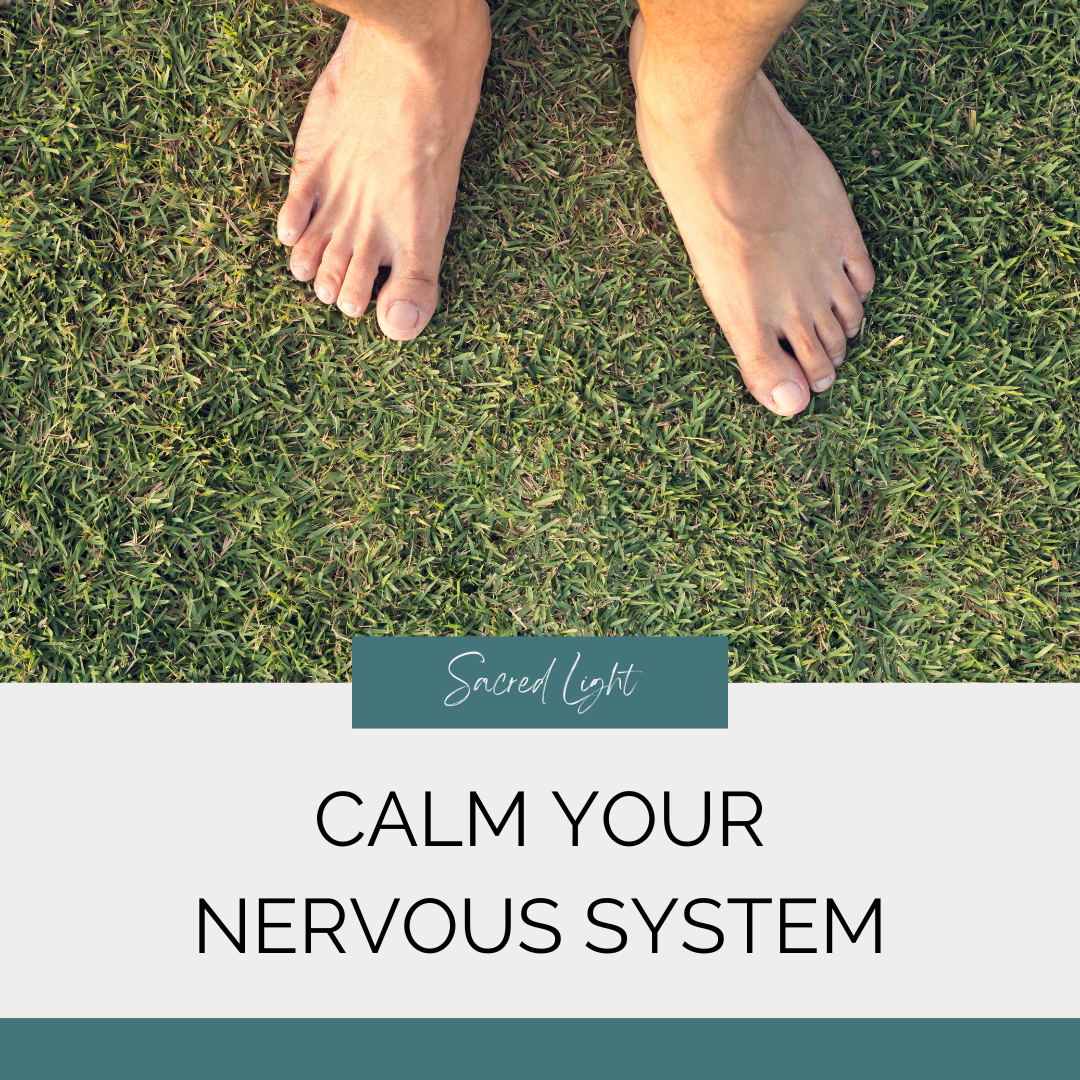
Reconnect, Reset, and Feel Safe in Your Body
In today’s world of constant stimulation, our nervous systems are often stuck in overdrive. From the buzzing of phones to the pressure of endless to-do lists, our bodies hold tension even when we’re not aware of it. That’s where grounding comes in—a simple yet powerful way to calm the chaos and bring your energy back home.
Grounding is the practice of connecting to the present moment by engaging your body and senses. It tells your nervous system, “You’re safe now.” When you’re grounded, your heart rate slows, your breath deepens, and your thoughts become clearer.
Whether you’ve had a long day or are managing chronic anxiety, here are a few grounding techniques you can try today:
1. Feel Your Feet
Stand or sit with your feet flat on the floor. Visualize roots growing from the soles of your feet deep into the earth. Imagine the stability and support that comes from below. This visualization helps calm the mind and bring you back into your body.
2. Name Five Things
Look around and name:
5 things you see
4 things you can touch
3 things you hear
2 things you can smell
1 thing you can taste
This sensory reset brings you right into the now.
3. Hold a Warm Object
Wrap your hands around a warm cup of tea or a heating pad. The warmth is soothing to your vagus nerve, which helps regulate your stress response.
4. Try a Sound Bath or Reiki Session
Sound and energy healing are powerful grounding tools. During a session, your body naturally slows down, aligning your energy and soothing your nervous system. It’s more than relaxation—it’s restoration.
Stillness isn’t a luxury. It’s a necessity. Especially now, as we step into a season with intention, giving yourself the gift of grounded presence can shift your entire outlook.
Your Moment of Reflection
In your moment of reflection, affirm:
“I am rooted, I am present, and I am safe.”